
Auris Basel
Our Basel branch
At the crossroads of Switzerland, France and Germany, Basel is one of Europe’s most international life-sciences and innovation hubs. Home to global pharmaceutical, biotechnology and research organizations, the city attracts professionals and families from around the world while offering an exceptional quality of life, rich cultural scene and distinctive cross-border environment. Our local team combines in-depth market knowledge with established contacts throughout Basel-Stadt, Basel-Landschaft and the surrounding region, including neighboring France and Germany.
Our Basel branch delivers coordinated immigration and relocation support across the Basel metropolitan area for corporate transferees, executives and their families. Our experienced local consultants provide market-specific guidance and practical assistance with immigration support, area orientation, home search, education options, registration and settling-in—ensuring a smooth and confident arrival in one of Switzerland’s most international and specialized residential markets.
Your team in Basel

Adrian von Moos
Regional Director
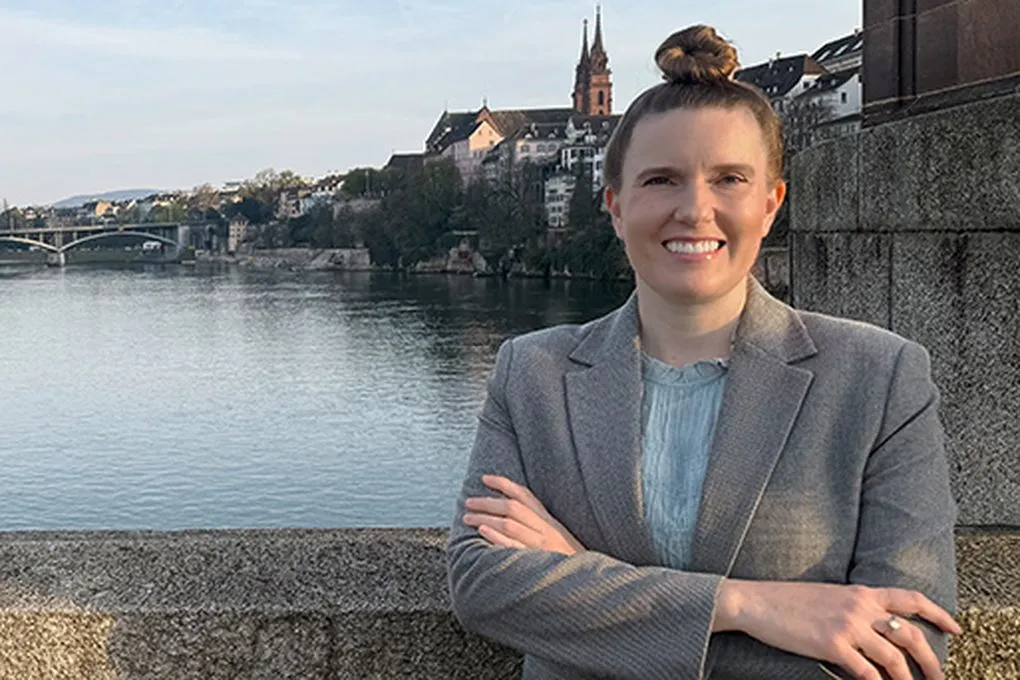
Tess Andrade
Relocation Consultant
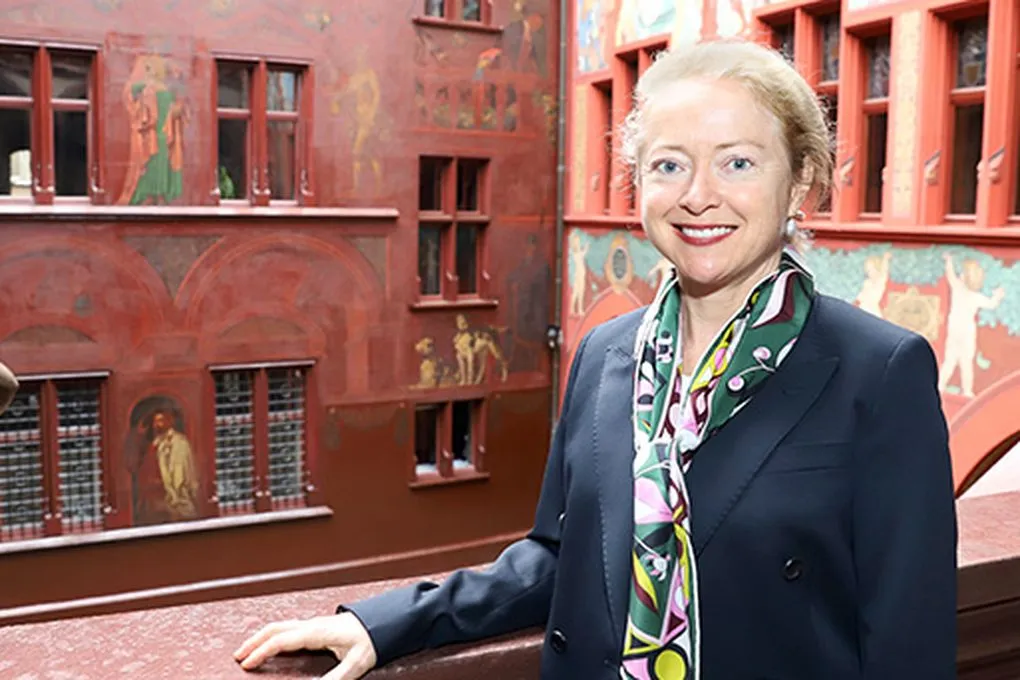
Michelle Florin
Relocation Consultant
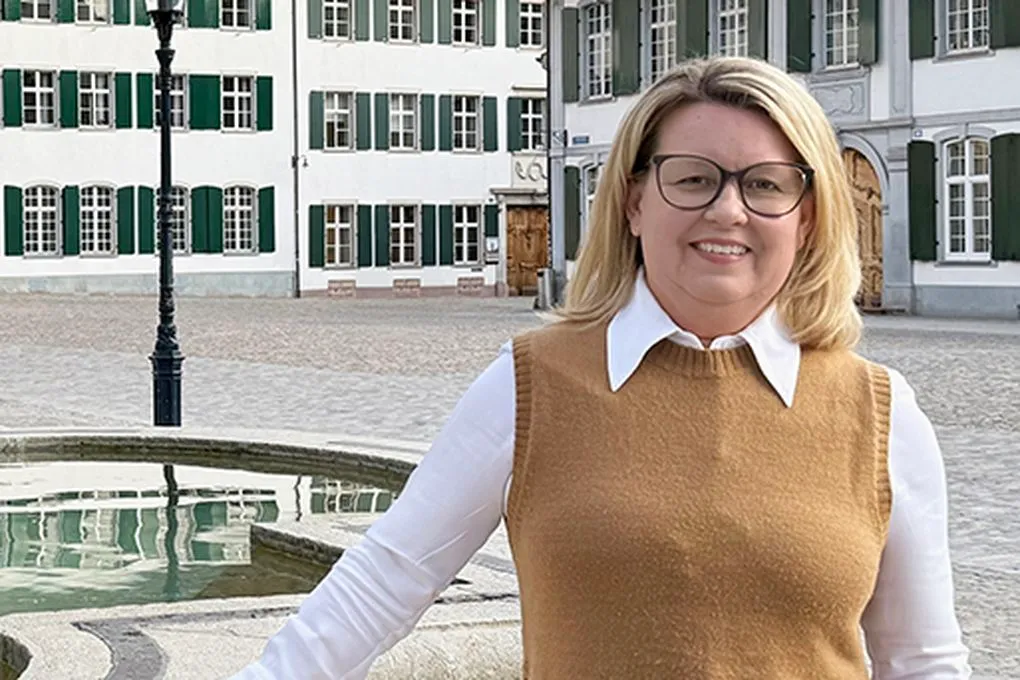
Camilla Grebius
Relocation Consultant
Therese Hauk
Relocation Consultant
Michèle Lévy
Relocation Consultant
Livia Steeger
Immigration Specialist
Area covered
Basel area, Jura, neighboring France and Germany
Cantons: BS · BL · JU©swisstopo
Location profile
The Basel region is one of Switzerland’s most internationally oriented metropolitan areas, located at the meeting point of Switzerland, France and Germany. Centered on the Rhine, it combines an historic and culturally rich urban environment with accessible suburban, semi-rural and cross-border residential communities.
Its tri-national setting is a defining advantage for internationally mobile professionals. Residents benefit from proximity to the Alsace in France and southern Baden-Württemberg in Germany, while the wider region offers easy access to the Jura, the Black Forest, Alsace wine country and major European cities. Basel’s compact scale, international outlook and strong transport links create an attractive environment for both professionals and families.
Business environment
Basel is one of Europe’s foremost life-sciences locations and a globally significant center for pharmaceuticals, biotechnology, healthcare innovation and chemical sciences. Major multinational employers, specialist suppliers, research-driven start-ups and service companies form a dense and highly international business ecosystem.
The regional economy also has important strengths in logistics, trade, transport, financial and professional services, advanced manufacturing, digital health and congress-related industries. Basel’s position on the Rhine and at a major European border crossing reinforces its role as Switzerland’s principal logistics gateway, supported by the Swiss Rhine ports, international rail links, EuroAirport Basel–Mulhouse–Freiburg and motorway connections.
The region’s appeal is reinforced by a highly educated, multilingual workforce and an exceptional research environment. The University of Basel, founded in 1460, the ETH Zürich Department of Biosystems Science and Engineering in Basel, and the University of Applied Sciences Northwestern Switzerland (FHNW) contribute to a powerful academic and innovation network. The wider Basel Area encompasses more than 800 life-sciences companies and over 33,000 specialists across the pharmaceutical value chain.
For international companies and their employees, the wider area provides a diverse choice of business locations: Basel for global corporate headquarters, life sciences, research and professional services; Allschwil, Muttenz and the surrounding Basel-Landschaft municipalities for innovation, industry and business parks; and the nearby French and German border regions for cross-border employment, research and logistics activity.
Living and quality of life
The Basel region offers an excellent quality of life for professionals and families, combining a vibrant urban setting with a manageable scale and immediate access to nature, culture and international travel. Residents enjoy renowned museums, concert halls, theatres, restaurants, markets, sporting facilities and a rich calendar of cultural events, alongside everyday leisure on and around the Rhine.
The region offers a broad selection of residential settings, from lively and historic inner-city neighborhoods to family-oriented districts, attractive suburban municipalities and quieter communities in Basel-Landschaft. Nearby destinations include the Jura, the Black Forest, the Alsace and its wine villages, while the Rhine itself is central to Basel’s outdoor lifestyle, especially during the warmer months.
Basel’s international population, cross-border character, high-quality healthcare, strong education provision and extensive cultural offering make it particularly appealing to globally mobile employees. The city combines the convenience of a compact European center with the professional opportunities of a major international business and research location.
Housing market
The Basel housing market is attractive and generally more varied than Switzerland’s largest metropolitan markets, although desirable properties can still be competitive—particularly in central Basel, well-connected family districts and sought-after municipalities close to major life-sciences and business locations. Early planning, realistic expectations and a clear understanding of local rental practices remain important for a successful home search.
Housing options range from central apartments in Basel-Stadt to larger family homes and newer developments in Basel-Landschaft. Depending on an employee’s workplace, budget, family requirements and preferred lifestyle, suitable alternatives may be found in neighborhoods such as Bruderholz, Gellert, Bachletten, St. Alban and the outer Basel districts, as well as in nearby municipalities including Binningen, Bottmingen, Oberwil, Reinach, Allschwil, Muttenz, Münchenstein, Pratteln and Liestal.
Cross-border living in France or Germany may also be relevant for certain employees, particularly where personal circumstances, commuting preferences and immigration status permit it. However, this option requires careful consideration of residence permits, taxation, social security, healthcare, schooling and daily commuting arrangements. Auris provides local guidance on neighborhoods, commuting patterns, property availability, rental applications and the practical requirements of securing suitable accommodation.
Education and childcare
The Basel region offers a broad education landscape, including high-quality public schools, bilingual programs, international-school options and schools serving specific language or curriculum needs. The most suitable choice will depend on a family’s anticipated length of stay, children’s ages, language background, educational continuity and preferred location of residence.
Families relocating to Basel may consider the local public-school system, German- and English-language international options, French- or German-oriented schools in the neighboring border regions, and bilingual programs where available. Basel’s tri-national context can be particularly attractive for families seeking a multilingual educational experience or continuity with French, German or international curricula.
Access to childcare, day-care places and after-school care varies by municipality, as do school structures, catchment areas, registration processes and availability. Early planning is strongly advisable, especially for children and families seeking specific international or bilingual options. Our consultants help families identify suitable residential areas, understand the available choices and coordinate school or childcare visits as part of the wider relocation process.
Language and integration
German is the principal language in Basel and throughout Basel-Landschaft, while Swiss German is the language most commonly heard in day-to-day conversation. Standard German is used in writing, education, formal communication and many workplace settings.
Basel’s border location creates an especially multilingual environment. French is widely present because of the close connection with Alsace, while English is commonly used in multinational life-sciences companies, research institutions, universities and international communities. Many residents also speak additional languages, reflecting the city’s diverse workforce and long-established cross-border connections.
Nevertheless, German remains highly valuable for everyday life, building local relationships and supporting long-term integration. Auris therefore recommends that newcomers begin by learning Standard German, which provides the strongest foundation for written communication, official processes and daily interactions. Developing familiarity with Swiss German over time can further support informal communication and integration into local life.
Transport and connectivity
Basel benefits from a dense and well-integrated public-transport network, with frequent tram, bus and rail connections across the city, the surrounding Basel region and neighboring areas of France and Germany. Basel’s compact geography makes many residential and employment locations straightforward to reach, while cross-border services support daily commuting within the wider tri-national metropolitan area.
The city is a major Swiss and European rail hub. Basel SBB provides direct national services to Zürich, Bern, Lucerne, Lausanne, Geneva and other Swiss destinations, while Basel Badischer Bahnhof offers extensive connections into Germany. International rail services link Basel with cities including Paris, Frankfurt, Mannheim, Cologne and Milan, supporting both business travel and weekend leisure trips.
EuroAirport Basel–Mulhouse–Freiburg provides direct access to a broad range of European destinations and is located close to the city center. Basel also benefits from excellent motorway links to the Swiss network as well as to France and Germany, while the Rhine ports strengthen the region’s strategic role in European logistics and transport.
Frequently asked questions
Which areas are most suitable for living in the Basel region?
The right location depends on workplace, family needs, budget, preferred lifestyle and commuting priorities. Central Basel offers a highly urban lifestyle with short journeys and immediate access to cultural, dining and leisure facilities. Popular residential districts include Gellert, St. Alban, Bachletten, Bruderholz, Wettstein and the outer city districts.
Many families also consider nearby Basel-Landschaft municipalities such as Allschwil, Binningen, Bottmingen, Oberwil, Reinach, Muttenz, Münchenstein, Pratteln and Liestal. These locations can offer more space, a quieter setting and strong public-transport links, while remaining within easy reach of central Basel and key employment hubs.
Is it practical to live in France or Germany and work in Basel?
It can be practical for some employees, particularly those seeking more housing space, a different cost structure or a cross-border lifestyle. Common options include communities in nearby Alsace, France, and southern Baden-Württemberg, Germany.
However, cross-border residence requires careful planning. Immigration status, tax treatment, social security, health insurance, remote-working arrangements, schooling, childcare and daily commuting must all be considered before a decision is made. A home across the border should not be viewed simply as a Basel suburb, as the legal and administrative framework can differ substantially.
How competitive is the Basel rental market?
Basel offers a broad range of housing, but good-quality rental homes in central, family-friendly or particularly well-connected locations remain competitive. Demand can be strong near major life-sciences employers, international schools and popular residential districts.
Early planning is advisable, particularly for families requiring larger properties, furnished accommodation, parking, proximity to a particular school, or a move during peak relocation periods. A successful search usually depends on clear priorities, complete application documentation, realistic expectations and prompt decision-making once a suitable property is identified.
What should I know about renting a home in Basel?
Swiss landlords and property managers typically expect a complete and professional rental application. This may include identification, residence-permit documentation where available, employment confirmation, salary or income details, references and, in most cases, debt-enforcement documentation.
Lease agreements, notice periods, rental deposits and handover procedures should be reviewed carefully before signing. It is also important to document the condition of the property thoroughly at move-in and to understand responsibilities for utilities, minor maintenance, liability insurance and final cleaning. Auris supports transferees throughout the entire home-search process—from defining suitable locations and identifying appropriate properties to preparing rental applications, reviewing practical requirements and coordinating the handover.
What schooling options are available for international families?
The Basel region provides a wide range of education options. These include the local public-school system, bilingual and international programs, and schools in neighboring France or Germany for families seeking a French- or German-curriculum pathway.
The best route depends on the expected duration of the assignment, the child’s age, language ability, educational continuity and the family’s preferred place of residence. In Basel-Stadt, public-school allocation is generally linked to the family’s home address; therefore, school planning and home search should be coordinated from the outset.
Auris provides families with a clear overview of the available education systems and suitable individual options. We help assess each family’s priorities, identify appropriate schools and childcare solutions, coordinate enquiries and visits, and support informed decisions as part of the overall relocation process.
How early should families arrange childcare?
Families should begin childcare planning as early as possible, especially for nursery places, full-time care requirements or specific language and educational preferences. Availability, costs, subsidies, waiting lists and opening hours can vary substantially between Basel-Stadt, Basel-Landschaft and individual municipalities.
Most Basel neighborhoods are served by nurseries, primary schools and public transport, but the practical availability of a preferred childcare solution cannot be assumed. Auris can help families factor childcare needs into their choice of residential area and arrange relevant visits during the orientation process.
What language is spoken in Basel?
German is the official local language, while Basel Swiss German is widely spoken in everyday conversation. Standard German is used in writing, official correspondence, education and many formal situations.
Basel is nevertheless a highly international and multilingual city. English is common in global corporations, life-sciences companies, universities and research institutions, while French is also frequently encountered because of the region’s proximity to France. Learning Standard German remains strongly recommended for daily life, administrative processes, social integration and long-term settlement.
Is a car necessary in the Basel area?
For many residents, a car is not essential. Basel has an extensive tram, bus and rail network, and its compact layout makes walking and cycling practical for many daily journeys. Public transport also serves the wider region and extends across the borders into France and Germany.
A car can nevertheless be useful for families living in more suburban or rural locations, employees with frequent regional travel requirements, or households with specific leisure and childcare logistics. Parking availability and cost should be assessed carefully during the home search, particularly in central Basel.
How well connected is Basel for business and international travel?
Basel is exceptionally well connected by rail, road, air and public transport. The city has three important rail stations serving Swiss, French and German networks, direct links to major Swiss cities and onward connections to destinations such as Paris, Frankfurt, Cologne and Milan. EuroAirport Basel–Mulhouse–Freiburg provides convenient access to a wide range of European business and leisure destinations.
This connectivity is one reason Basel is attractive for internationally mobile employees. It supports straightforward travel within Switzerland, regular cross-border commuting and convenient access to the wider European market.
What are the key administrative steps after arriving in Basel?
New residents must register their arrival with the responsible Residents’ Registration Office. In Basel-Stadt, registration is generally required within 14 days of moving in and can be completed in person or through the eMoving process where applicable. The precise steps depend on nationality, immigration status, residence permit and whether the move is from abroad, another Swiss canton or within the Basel area.
Further arrival tasks may include obtaining or updating a residence permit, arranging mandatory health insurance, opening a Swiss bank account, registering children for school, securing childcare, obtaining public-transport subscriptions, updating vehicle documentation and arranging household insurance. Auris coordinates these practical steps as part of an integrated settling-in program, helping transferees and their families establish themselves efficiently and confidently.
Talk to Adrian von Moos about your move to Basel.
An initial consultation clarifies scope, timeline and cost, directly with the local office.
Book an initial consultation with Adrian von MoosTrusted by clients on Google and by excellent feedback from corporate clients, Auris Relocation is proud to be ISO 27001, EcoVadis Silver and EuRA Global Quality Seal Plus certified.