Auris Lucerne
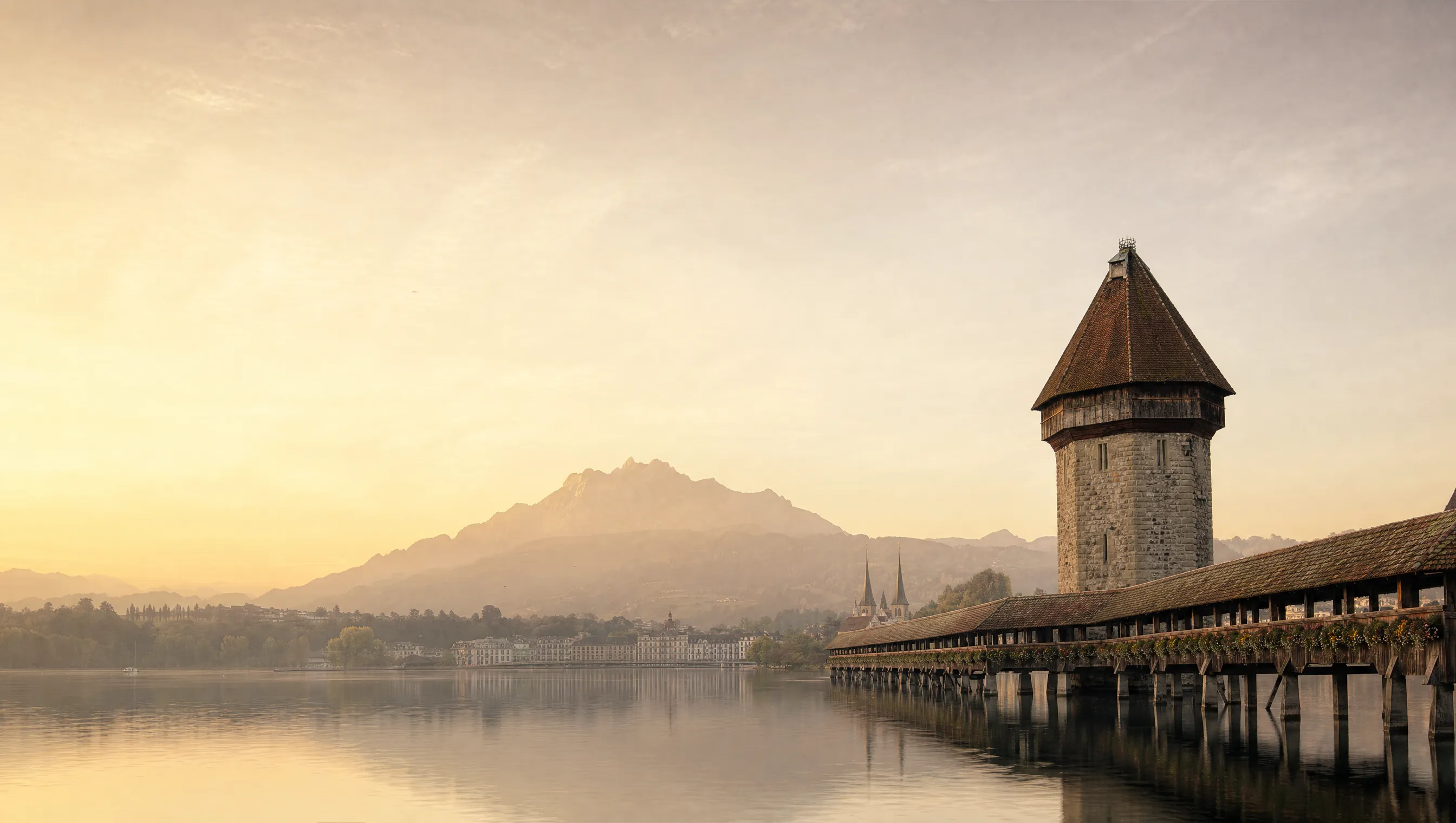
Our Lucerne branch
Lucerne and Central Switzerland combine an exceptional quality of life with a strong international business environment, outstanding natural surroundings and excellent connectivity. Set between the lake of Lucerne and the Alps, the region attracts professionals, executives and families from around the world. Our local team combines detailed regional knowledge with established contacts throughout Lucerne and the wider Central Switzerland area.
Our Lucerne branch delivers coordinated destination and relocation support across Lucerne and Central Switzerland—including the cantons of Lucerne, Schwyz, Nidwalden, Obwalden and Uri—for corporate transferees, executives and their families. Our experienced local consultants provide market-specific advice and practical assistance with immigration support, area orientation, home search, education options, registration and settling-in—ensuring a smooth and well-supported arrival in one of Switzerland’s most attractive residential and business regions.
Your team in Lucerne
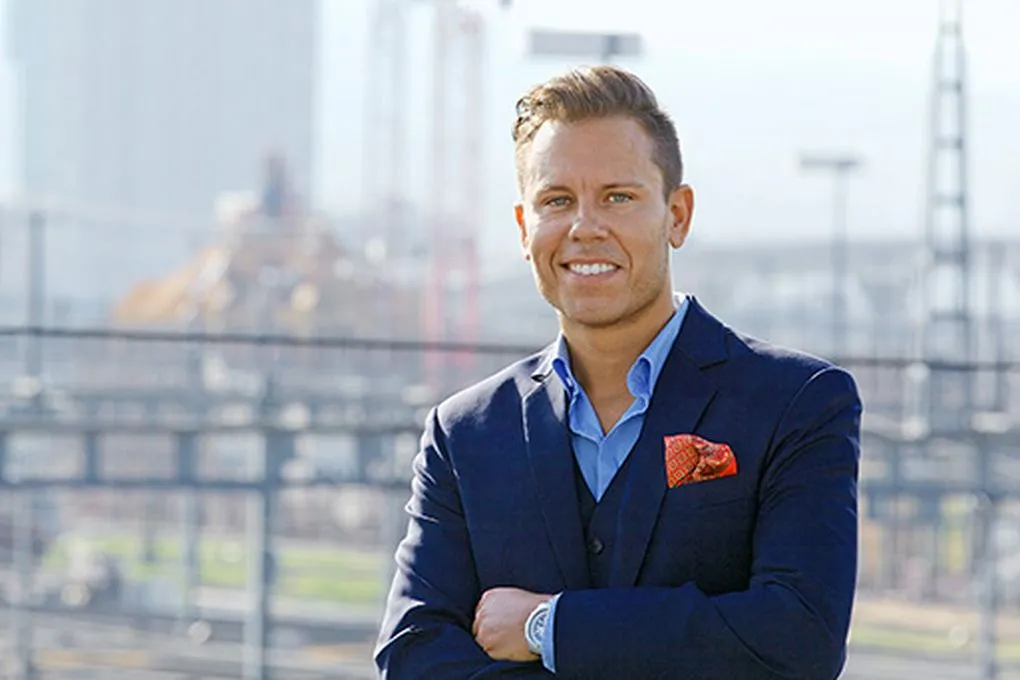
Adrian von Moos
Regional Director
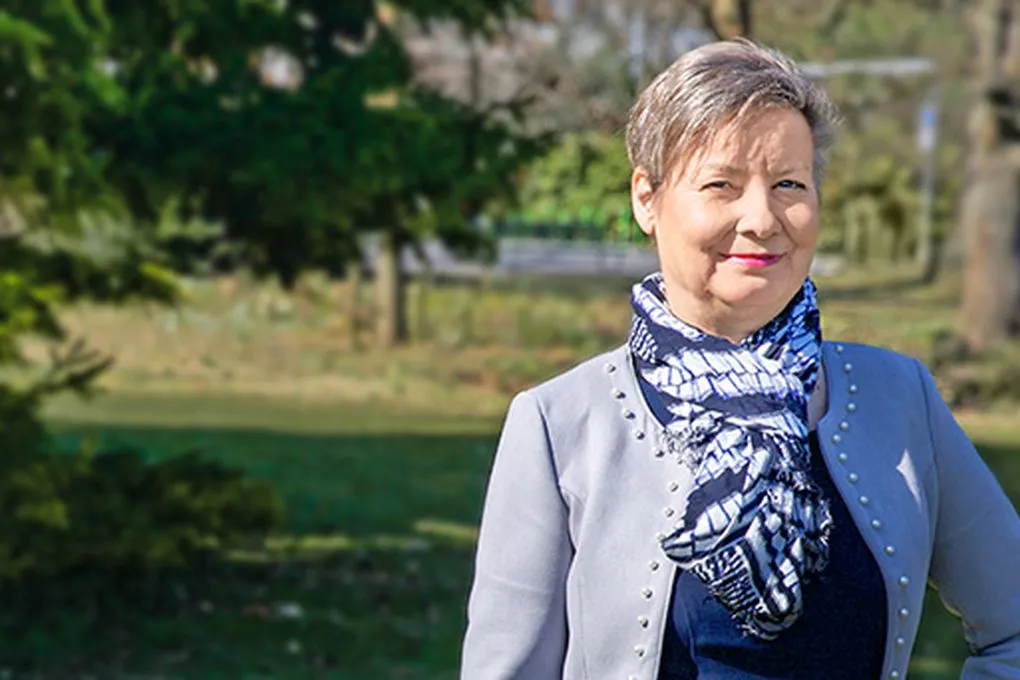
Patricia Burgherr
Relocation Consultant
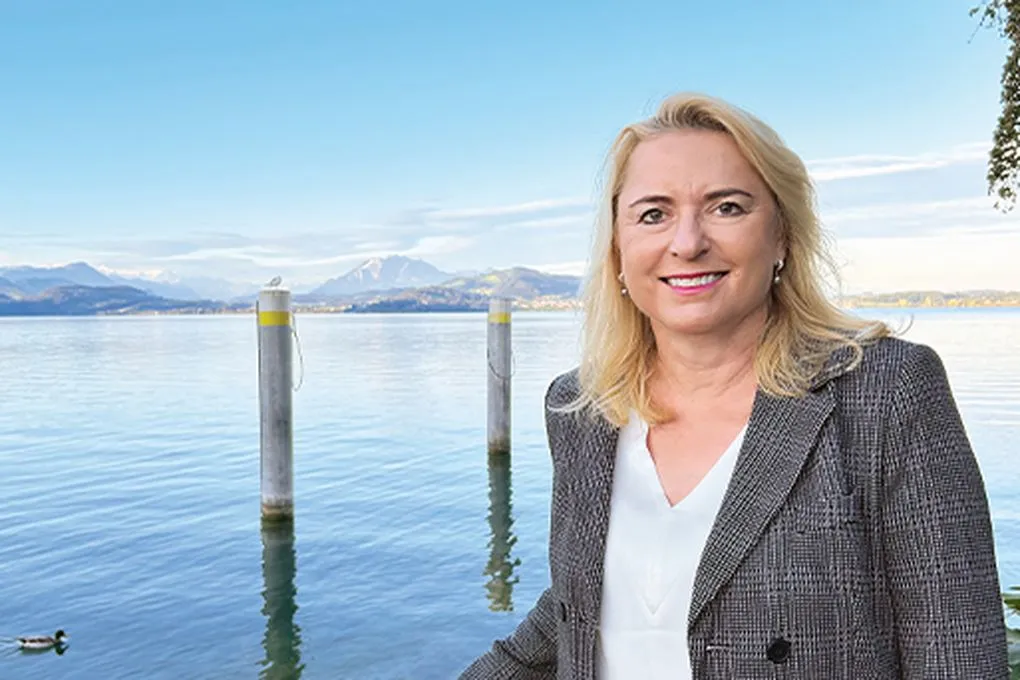
Jelka Dittrich
Relocation Consultant
Area covered
Lake Lucerne, central Switzerland
Cantons: LU · NW · OW · UR · SZ©swisstopo
Location profile
The Lucerne region lies at the heart of Central Switzerland and is one of the country’s most attractive locations for internationally mobile professionals and families. It offers a distinctive combination of an historic and vibrant lakeside city, well-connected suburban and rural communities, immediate access to the Alps, and a broad choice of residential settings.
Central Switzerland encompasses the cantons of Lucerne, Schwyz, Nidwalden, Obwalden and Uri. From the shores of Lake Lucerne to the foothills and mountain valleys of the surrounding cantons, the region provides a compelling balance between professional opportunity, outdoor lifestyle, cultural richness and convenient access to Switzerland’s principal business centers.
Business environment
Central Switzerland has a diverse, internationally oriented economy. Lucerne is an important center for services, tourism, hospitality, healthcare, education, advanced manufacturing and technology, while the wider region includes major clusters in financial services, pharmaceuticals, life sciences, commodity trading, technology, precision engineering, medtech and specialist manufacturing.
The canton of Lucerne is one of Switzerland’s most internationally connected business locations, hosting global corporate headquarters, financial and professional-services firms, life-sciences companies and a well-established technology and innovation ecosystem. Schwyz, Nidwalden, Obwalden and Uri also offer important employment opportunities in manufacturing, engineering, construction, energy, tourism and specialized services.
The region’s appeal is reinforced by a highly educated, multilingual talent pool and respected academic and research institutions, including the University of Lucerne, the Lucerne University of Applied Sciences and Arts, and their research networks. Its central location also provides convenient access to the business centers of Zug, Zurich, Basel, Bern and the Ticino.
For international companies and their employees, Central Switzerland offers a diverse selection of business and residential locations: Lucerne for urban amenities, culture and regional corporate functions; the wider region for international headquarters and high-growth sectors; and the surrounding cantons for access to nature, family-oriented communities, specialist industries and high-quality residential environments.
Living and quality of life
Lucerne and Central Switzerland offer an exceptional quality of life for professionals and families. Residents benefit from an attractive city center, cultural institutions, restaurants, healthcare, sport and leisure facilities, combined with direct access to Lake Lucerne, forests, hiking trails, ski areas and some of Switzerland’s best-known mountain destinations.
The region offers a broad variety of lifestyles. Lucerne provides urban convenience, historic character and lakeside living, while nearby municipalities and the cantons of Zug, Schwyz, Nidwalden and Obwalden offer quieter, family-friendly settings with more space and immediate proximity to nature. Locations around Lake Lucerne, Lake Zug and Lake Sarnen are particularly sought after for their scenery, accessibility and quality of residential life.
Housing options range from central city apartments and lakeside properties to modern family homes in well-connected suburban communities, traditional villages and mountain locations. This variety enables residents to balance workplace access, commuting preferences, family requirements and outdoor lifestyle priorities.
The wider region stands out for its safety, high-quality healthcare and education, strong local communities, clean natural environment and extensive cultural and leisure opportunities. Its lakes, mountains and year-round recreational possibilities are a particular attraction for internationally mobile employees seeking both professional opportunity and a high standard of everyday living.
Housing market
The Lucerne and Central Switzerland housing markets are attractive and, in many locations, highly competitive. Demand is particularly strong in central Lucerne, sought-after lakeside municipalities, well-connected communities around Lake Lucerne, and locations offering convenient access to Zug, Zürich or major regional employers.
Early planning, realistic budget expectations and a clear understanding of local rental practices are important for a successful home search. Availability can be limited in popular municipalities, especially for larger family properties, modern apartments and homes with lake views or short commuting times.
The wider Central Switzerland region offers meaningful alternatives depending on an employee’s workplace, budget, family needs and preferred lifestyle. Suitable options may be found in the Lucerne agglomeration, in communities along the main rail corridors, in the cantons of Nidwalden and Obwalden, or in locations within Schwyz and Uri that offer strong transport links and access to nature.
Auris provides local guidance on suitable neighborhoods and municipalities, commuting times, property availability, local market conditions, rental applications and the practical requirements of securing accommodation. This support helps transferees make informed housing decisions in a region where location, transport connections and municipality-specific market conditions can significantly influence both availability and cost.
Education and childcare
Lucerne and Central Switzerland offer a broad and high-quality education landscape, including public schools, bilingual programs, private schools, country-specific schools and international school options. The most suitable choice will depend on a family’s intended length of stay, children’s ages, language background, need for educational continuity and preferred place of residence.
The region includes a number of internationally oriented education options, particularly in and around Lucerne and Zug, alongside strong local public-school systems. Families moving to more rural or smaller municipalities may find different school structures and fewer international options, making early planning especially important.
Access to childcare, day-care places and after-school care varies significantly by municipality, as do local school structures, catchment areas, timetables and availability. Our consultants help families identify suitable residential areas, understand the available schooling and childcare options, and arrange school or childcare visits as part of the wider relocation process.
The region’s strong education, research and professional-development environment is also an important attraction for internationally mobile professionals and their families.
Language and integration
German is the principal language in Lucerne and throughout Central Switzerland, while Swiss German is the language most commonly heard in everyday conversation. Standard German is used in writing, education, administration and formal settings.
English is widely used in international companies, higher-education institutions, the tourism sector and expatriate communities, particularly in Lucerne. The international workforce in the Lucerne area, together with Lucerne’s role as a tourism, education and business center, contributes to a welcoming multilingual environment in which many other languages are commonly heard.
Nevertheless, German remains highly valuable for everyday life, building local relationships and supporting long-term integration. Auris therefore recommends that newcomers begin by learning Standard German, which provides the strongest foundation for daily communication, school-related interactions, administration and professional life.
For families settling in smaller municipalities or more rural areas, basic German can be particularly helpful in engaging with local schools, clubs, neighbors and community activities.
Transport and connectivity
Lucerne benefits from excellent public-transport connections and occupies a highly central position within Switzerland. Dense rail, bus and boat services connect Lucerne with the surrounding municipalities, the lakeside communities of Central Switzerland and the principal employment locations in Zug, Zürich, Schwyz, Nidwalden, Obwalden and Uri.
Frequent rail connections make commuting straightforward between Lucerne and Zug, Zürich, Bern, Basel, Arth-Goldau, Stans, Sarnen and other regional centres. Frequent direct services connect Lucerne with Zürich and Zug; the journey time depends on the selected connection. Connections through Arth-Goldau also provide efficient access to southern Switzerland and the Ticino.
The rest of Switzerland is readily accessible by rail. Basel, Bern, Zürich, Lausanne, Geneva and Lugano can generally be reached within approximately one to three hours, depending on the destination and selected connection. Lucerne’s location makes it particularly convenient for employees who work across multiple Swiss business centers while preferring a lakeside and Alpine residential environment.
Excellent motorway links further support regional travel and access to Zürich Airport, which is generally reachable in around one hour by road or public transport, depending on traffic and the starting location. The region also offers convenient onward connections towards Italy, Germany, France and Austria through Switzerland’s national rail and motorway network.
Frequently asked questions
What should I know about local taxes in Central Switzerland?
Income tax in Switzerland is levied at federal, cantonal and municipal level, while wealth tax is cantonal and municipal and church tax may also apply, so the overall tax burden can vary materially between cantons and municipalities. The choice of residence may therefore have an impact not only on commuting time and housing availability, but also on household finances.
For internationally mobile employees, the relevant considerations may include salary structure, family circumstances, residence status, tax-at-source arrangements and the interaction with any cross-border or assignment-related tax advice. Auris can help transferees understand the practical implications of different residential locations and coordinate with specialist tax advisers where required.
How does waste disposal work in Lucerne and Central Switzerland?
Waste disposal is organized locally, and procedures vary between municipalities. Residents may need to use official rubbish bags, municipal collection points, designated containers or prepaid waste systems. Recycling is an important part of everyday life, with separate collection or drop-off arrangements commonly available for paper, cardboard, glass, aluminum, PET, organic waste, batteries and other materials.
New arrivals should confirm the applicable rules shortly after moving in, as using incorrect waste bags or collection arrangements can result in fines or refuse not being collected. Auris will explain the local system as part of practical settling-in support.
How do I open a Swiss bank account after arrival?
Swiss banks require personal identification, proof of local registration, an employment contract or confirmation of employment, and information relating to nationality and tax residence. The precise documentation and onboarding process can vary between financial institutions.
In many cases, the bank account can only be opened after local registration.
Many employers require a Swiss bank account for local salary payments, so it is useful to begin the process early. Auris can provide practical guidance on the required documents, suitable appointment timing and the general process of establishing local banking arrangements.
What leisure and outdoor activities are available in Central Switzerland?
Central Switzerland offers extensive year-round recreational opportunities. Residents have easy access to Lake Lucerne for boating, swimming and watersports, as well as walking, cycling and running routes along the lake and through the surrounding countryside. The nearby mountains provide excellent hiking, skiing, snowboarding and family excursions.
The region also has a rich cultural and culinary offering, centered on Lucerne’s historic old town, museums, concert venues, restaurants and seasonal events. Its location makes it easy to enjoy both a high-quality urban lifestyle and regular access to Alpine landscapes, mountain resorts and outdoor activities.
Which areas are popular for living in Lucerne and Central Switzerland?
The most suitable location depends on workplace, household needs, budget, preferred lifestyle and commuting requirements. Lucerne city offers an attractive urban and international environment, with lakeside living, cultural amenities and excellent public transport. Nearby municipalities can provide more space, family-oriented neighborhoods and direct access to nature.
Popular choices include communities around Lake Lucerne, the Lucerne agglomeration, and well-connected locations in the cantons of Nidwalden, Obwalden and Schwyz. Auris helps transferees compare municipalities based on commuting times, local amenities, schools, housing availability, tax considerations and lifestyle preferences before beginning the home search.
How difficult is it to find housing in Lucerne and Central Switzerland?
The housing market can be competitive, particularly in central Lucerne, desirable lakeside municipalities and well-connected family locations. Demand is often strongest for modern apartments, larger family homes, properties with outdoor space and homes offering convenient access to major employment centers.
Thorough preparation, complete application documentation and flexibility regarding location, property type or move-in date can significantly improve the likelihood of a successful search. Auris provides informed market guidance, identifies suitable available and selected off-market opportunities, and supports clients throughout the process—from defining requirements and arranging viewings to preparing applications, negotiating terms and signing the lease.
How far in advance should I begin my home search?
Ideally, a home search should begin as soon as the employment start date and residence location are reasonably clear. This is particularly important for families requiring larger accommodation, a specific school, short commuting times or a preferred lakeside or mountain location.
A focused search may be successful within a few weeks, depending on the budget, requirements and availability at the time. However, it is advisable to allow additional time and, where appropriate, arrange temporary accommodation at the outset. This gives families the flexibility to explore different communities and make a well-informed long-term housing decision.
Can I rent a home before arriving in Switzerland?
In many cases, yes, although landlords and agencies typically require comprehensive application documentation, including employment confirmation, identification, financial information and, where applicable, residence-permit details. In-person viewings are generally preferred, but can sometimes be replaced by video-call viewings or authorized representation where an earlier commitment is necessary.
Auris can advise on the local rental process, prepare clients for documentation requirements, conduct accompanied or video-call viewings where appropriate, and help ensure that the chosen property, municipality and commuting arrangements are suitable before a lease is signed.
Do children need to speak German before starting local school?
No. Children joining the local public-school system do not generally need to speak German before arrival. Schools are accustomed to welcoming children from different language backgrounds and may provide German-as-a-second-language support, depending on the municipality, school and child’s individual needs.
Nevertheless, early language exposure can make the transition easier, particularly for older children. Families planning a longer stay often find that local public schooling and German-language integration offer significant social and long-term benefits.
Note that the language of education as of primary school is standard German. However local children will speak Swiss German with each other once they leave the classroom.
Talk to Adrian von Moos about your move to Lucerne.
An initial consultation clarifies scope, timeline and cost, directly with the local office.
Book an initial consultation with Adrian von MoosTrusted by clients on Google and by excellent feedback from corporate clients, Auris Relocation is proud to be ISO 27001, EcoVadis Silver and EuRA Global Quality Seal Plus certified.