Auris Lausanne
Our Lausanne branch
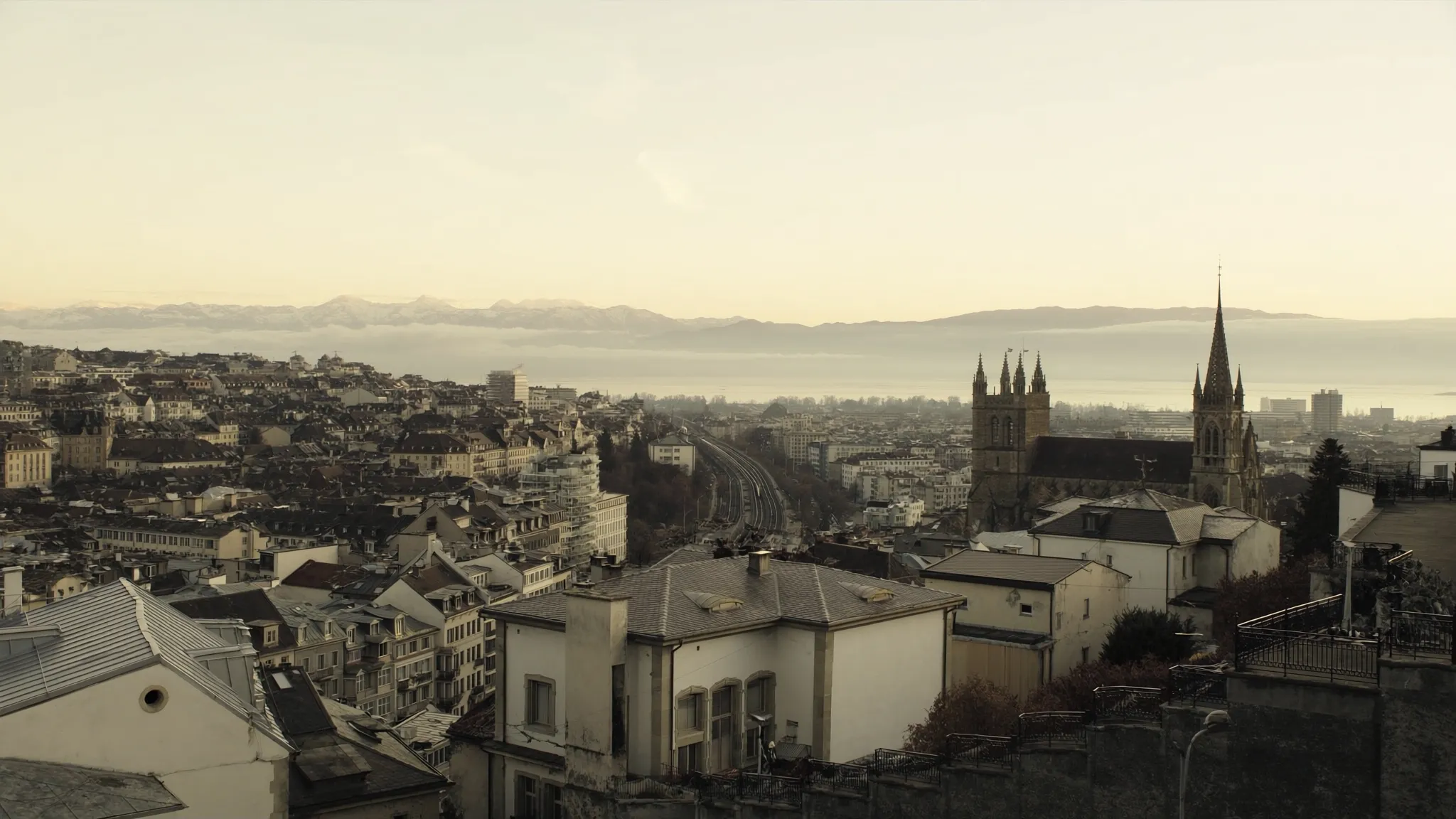
Lausanne and the wider Lake Geneva region combine international business, academic excellence and an exceptional lakeside lifestyle. With its strong innovation ecosystem, global companies, leading universities and proximity to Geneva, the region attracts professionals, researchers, executives and internationally mobile families from across the world. EPFL and its Innovation Park form a major research and entrepreneurship hub, hosting a large community of Swiss and international companies, research teams and innovative ventures.
Our Lausanne team provides coordinated destination and relocation services throughout Lausanne, the canton of Vaud and the wider Lake Geneva region, including the Lavaux vineyards, Montreux Riviera, Morges, Nyon and selected cross-border locations. We support corporate transferees, executives and their families with tailored guidance on immigration, area orientation, home search, school and childcare options, local registration and settling-in. Combining detailed local market knowledge with trusted regional contacts, our consultants help clients navigate the area’s varied residential markets and make a confident, well-informed transition to life in French-speaking Switzerland.
Your team in Lausanne
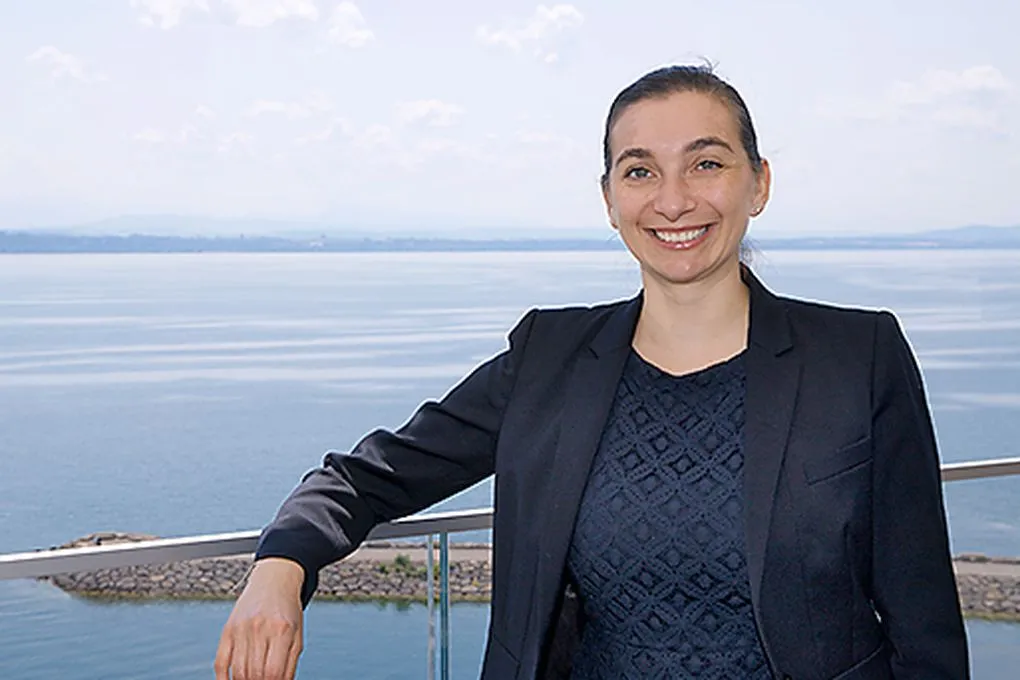
Sophie Colas
Regional Director
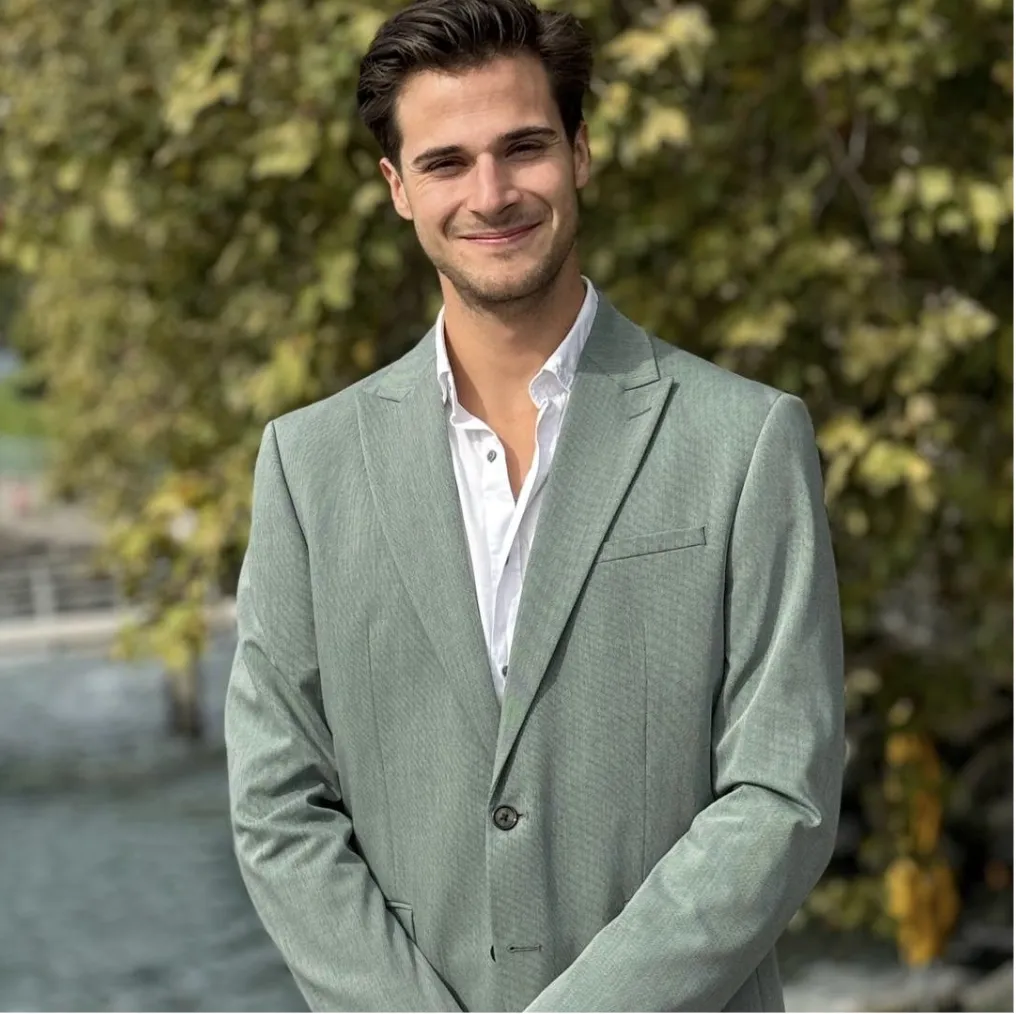
Baptiste Fasel
Relocation Consultant
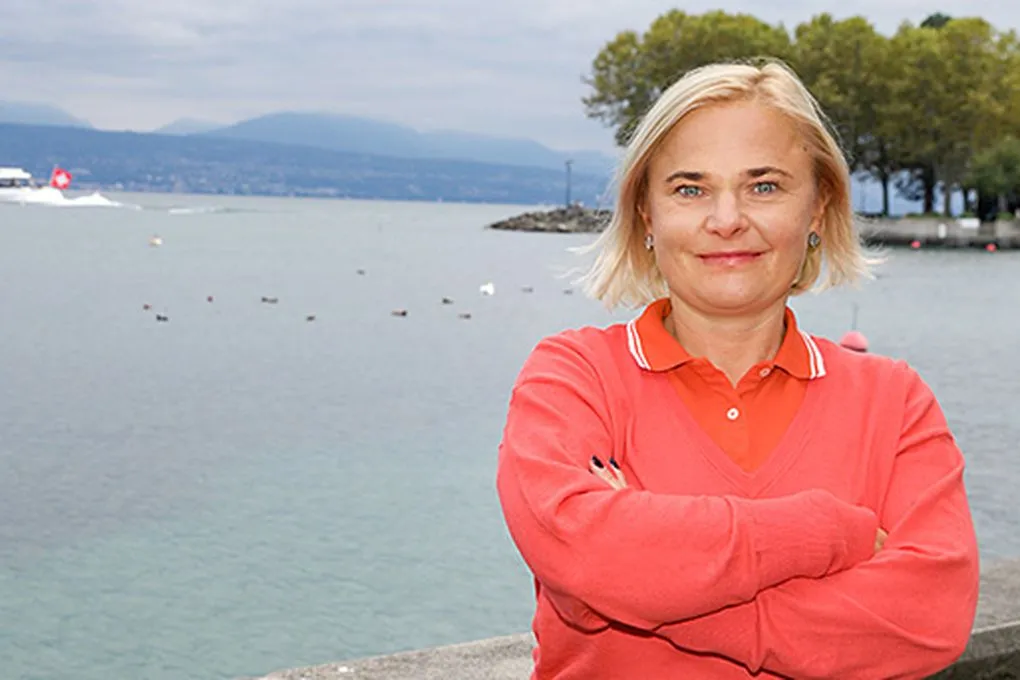
Iwona Komenda
Relocation Consultant
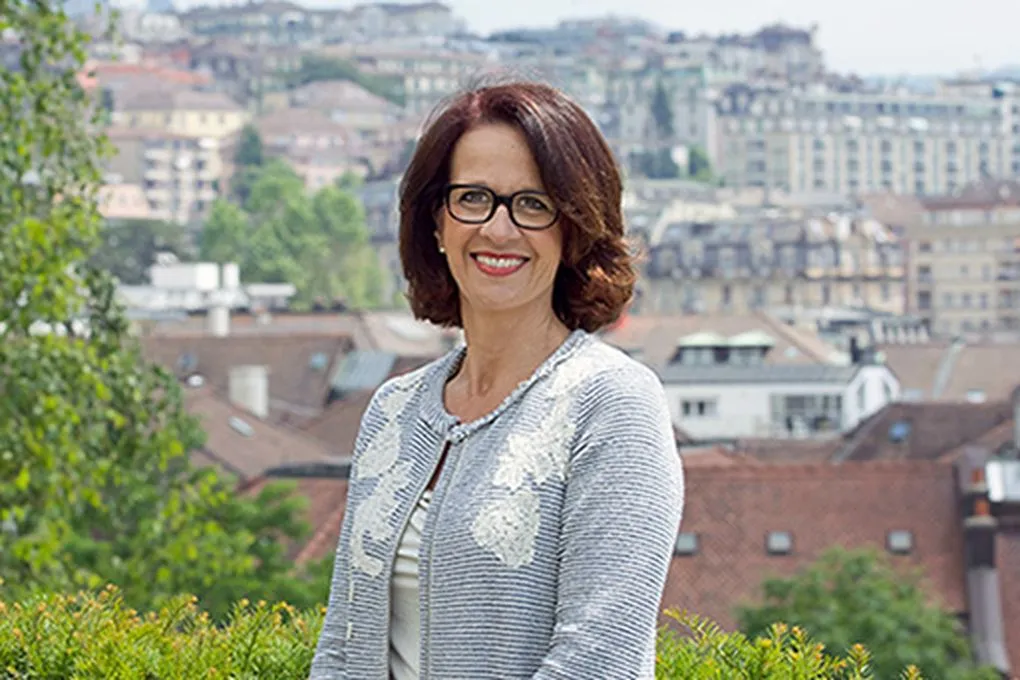
Christine Matter
Relocation Consultant and Immigration Specialist
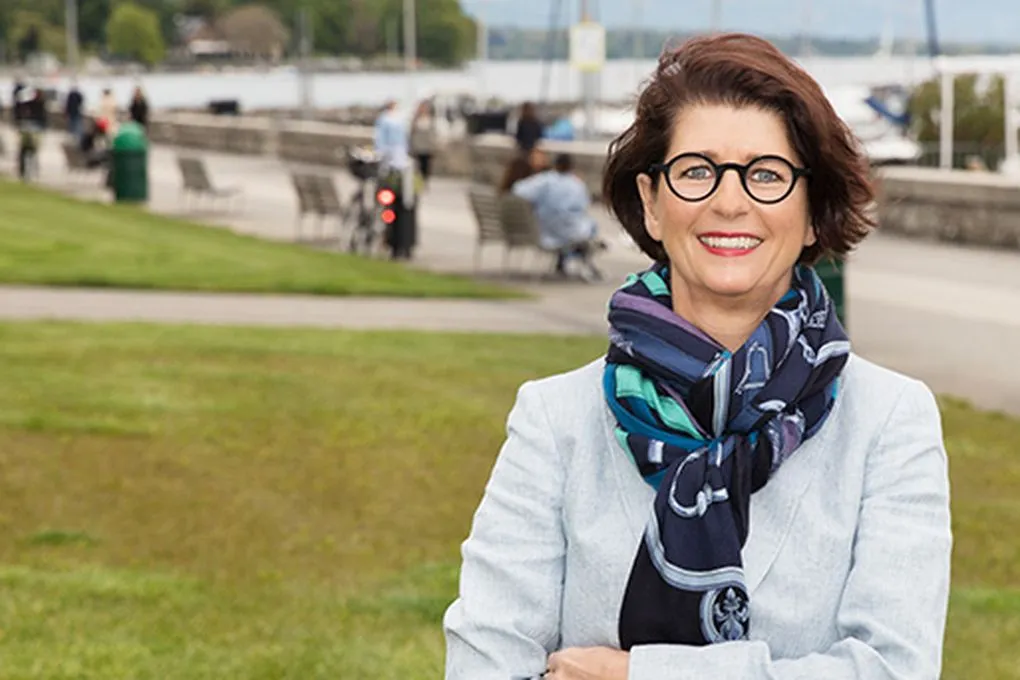
Petra Ogier
Relocation Consultant and Cross Cultural Trainer
Area covered
Lake Geneva, Fribourg, French-speaking part of Valais
Cantons: VD · FR · Western ValaisValais: areas shown by district. ©swisstopo
Location profile
Lausanne and the wider Lake Geneva region offer one of Switzerland’s most appealing combinations of international business, academic excellence, lakeside living and access to the Alps. The area extends from the Geneva–Nyon corridor through Lausanne, Morges, Vevey and Montreux to the French-speaking Valais, creating a highly varied residential and professional landscape along the northern shore of Lake Geneva.
Lausanne is a dynamic, French-speaking city built on the hills above the lake, with views towards the Alps and close links to Geneva, the canton of Valais and the rest of Switzerland. Its surroundings range from lively urban neighborhoods and established lakeside communities to the Lavaux vineyard terraces, rural Vaud villages and Riviera towns such as Vevey and Montreux.
French-speaking Valais broadens the region’s appeal further. The Rhône Valley encompasses the cantonal capital Sion, the historic centers of Martigny and Sierre, the Chablais area around Monthey, and a wide range of mountain destinations. Residents benefit from a more Alpine, outdoor-oriented lifestyle, vineyards and valley communities, while remaining connected to the Lake Geneva economic area. French is the principal language from Sierre westwards to Saint-Gingolph; German is used in Upper Valais.
Business environment
Lausanne is a major center for education, innovation, life sciences, digital technology, sport and international business. The city is home to École Polytechnique Fédérale de Lausanne (EPFL), the University of Lausanne and the Swiss Federal Institute of Sport, while the nearby EPFL Innovation Park links academic research with established companies, R&D teams, start-ups and scale-ups. Over the past three decades, EPFL Innovation Park has hosted around 500 start-ups and scale-ups, underlining the region’s strong entrepreneurial and research-led economy.
The wider Lake Geneva region is also an important base for multinational companies, consumer goods, healthcare, food and nutrition, financial services, commodities, engineering, advanced manufacturing and professional services. Geneva provides a globally connected environment for international organizations, finance, commodity trading and corporate headquarters, while Lausanne and Vaud are particularly strong in innovation, higher education, life sciences and technology.
French-speaking Valais contributes a distinct economic profile centered on tourism, hospitality, viticulture, agriculture, energy, construction, manufacturing and specialized services. The Rhône Valley also supports industrial and technology activities, while the mountain resorts create a substantial year-round visitor economy. For internationally mobile employees, the region provides a wide choice of business and residential locations—from metropolitan Geneva and Lausanne to smaller towns, wine-growing communities and Alpine destinations.
Living and quality of life
The Lake Geneva region offers an outstanding quality of life for professionals, executives and families. Lausanne combines an active urban setting with a relaxed lakeside atmosphere, a strong cultural life, excellent restaurants, museums, healthcare, sports facilities and a well-established international community. Residents can enjoy Lake Geneva’s waterfront, nearby forests and vineyards, as well as easy access to skiing, hiking, cycling and other outdoor activities.
Housing and lifestyle options are notably diverse. Lausanne offers central neighborhoods, hillside residences and lake-facing properties, while Morges, Nyon, Rolle, Lutry, Pully, Vevey and Montreux appeal to those seeking a smaller-scale lakeside environment. Families can also find quieter villages across Vaud, often with more space and a stronger connection to nature while retaining convenient rail access to Lausanne or Geneva.
French-speaking Valais offers a different but complementary lifestyle. Sion, Martigny, Sierre and Monthey provide practical year-round living with services, schools and transport connections, while surrounding villages and resort areas offer proximity to vineyards, mountain landscapes and outdoor recreation. It can be particularly attractive for households looking for space, a more relaxed pace of life or regular access to Alpine leisure, provided that workplace location and commuting requirements are carefully considered.
Housing market
The Lausanne and Lake Geneva housing market is attractive but can be challenging, particularly in Lausanne, Pully, Lutry, Morges, Nyon, Vevey, Montreux and desirable lakeside communities. Demand is often strongest for well-presented apartments close to rail stations, family homes with outdoor space, properties with lake views and accommodation within convenient reach of major employment centers or international schools.
Early planning is important, especially for families requiring larger homes, specific school access, parking or a short commute. Rental applications must generally be complete and professionally prepared, and prospective tenants should be ready to respond quickly when suitable accommodation becomes available. Property standards, rental levels, availability and application practices may differ considerably between urban Lausanne, lakeside municipalities and smaller Vaud communities.
The wider geography provides meaningful alternatives. Employees working in Lausanne may consider Morges, Renens, Echandens, Bussigny, Lutry, Vevey or selected villages in the Lausanne hinterland; those working further east may find attractive options around Montreux, Aigle, Villeneuve, Martigny or Sion. French-speaking Valais can offer a broader choice of space and an Alpine lifestyle, although suitability depends on the feasibility of daily commuting. Auris provides tailored guidance on residential areas, rail and road access, property availability, application strategy and the practical process of securing a home.
Education and childcare
Families relocating to Lausanne, Vaud or French-speaking Valais can choose from a broad range of educational options. These include the French-language public-school system, private schools, bilingual programs, international day and boarding schools and schools offering recognized foreign curricula. The most suitable choice will depend on the child’s age, prior education, language profile, anticipated length of stay, future school plans and the family’s chosen place of residence.
Public schools are generally tied to the municipality or catchment area in which a family lives, making it important to consider education and home search together. Lausanne and the Lake Geneva area offer especially broad international and bilingual options, while families in other parts of Vaud or Valais may need to evaluate school location and daily transport more carefully.
In French-speaking Valais, schooling is generally delivered in French, while Upper Valais uses German. The canton’s official welcome information notes that childcare may be provided through early-childhood centers or childminders, with local availability and arrangements varying by commune. Childcare, after-school provision and waiting lists also differ considerably across Vaud and the Lake Geneva region. Auris helps families assess appropriate areas, identify school and childcare options, arrange visits where relevant and manage enrolment planning within the wider relocation program.
Language and integration
French is the principal language in Lausanne, the canton of Vaud and French-speaking Valais. It is used in public administration, local schools, rental correspondence, healthcare, shops and most daily interactions. English is nevertheless widely used in international companies, universities, research institutions, hospitality, private schools and expatriate communities—particularly in Lausanne, the EPFL area, Nyon and locations close to Geneva.
The region has a strongly international profile, and newcomers will encounter many languages in professional and social life. However, French remains the key to independent daily living and deeper integration. It is especially useful when communicating with municipal authorities, landlords and agencies, schools, tradespeople, healthcare providers and local service organizations.
Auris recommends that newcomers start learning French before arrival or soon after settling in. Basic conversational French can materially improve the first months of a relocation, while continued learning supports stronger community connections and long-term professional and personal integration.
French-speaking Valais is also predominantly French-speaking, but its identity is shaped by the canton’s bilingual character, distinctive regional traditions and close relationship with the Alpine environment. The language boundary is around Sierre/Siders: French is the main language in Middle and Lower Valais, while a local version of Swiss German predominates in Upper Valais.
Transport and connectivity
Lausanne is exceptionally well positioned within western Switzerland. It benefits from frequent national and regional rail services, local buses, trolleybuses and metro lines, with Lausanne station serving as a major hub for travel along Lake Geneva and towards Bern, Zurich, Basel, Geneva and Valais. Lausanne is also approximately 45 minutes from Geneva Airport, providing convenient access to European and intercontinental destinations.
The main rail corridor along the northern shore of Lake Geneva links Geneva, Nyon, Morges, Lausanne, Vevey, Montreux, Aigle, Martigny, Sion and Brig. This makes commuting feasible across a broad geographical area, although housing decisions should always account for door-to-door travel time rather than rail journey time alone. Local public transport is generally excellent in Lausanne and the larger towns, while car ownership may be more useful in rural areas, wine villages and many Valais communities.
French-speaking Valais is well connected by rail through the Rhône Valley, with direct services from major Swiss cities, including Geneva Airport, Lausanne, Bern, Basel and Zurich Airport. The region also has motorway access along the valley and practical road links to France and Italy. Its mountainous geography means that travel to smaller villages and ski resorts can be more dependent on local bus services, private vehicles or seasonal conditions, but this is balanced by immediate access to some of Switzerland’s most exceptional Alpine landscapes.
Frequently asked questions
Which locations are popular for living in the Lausanne and Lake Geneva region?
The best location depends on the employee’s workplace, household profile, budget, desired commute and preferred lifestyle. Lausanne suits those looking for a lively, international city with universities, cultural life and excellent public transport, while Pully, Lutry and Paudex are popular for their lakeside setting and convenient access to the city.
Further along the lake, Morges, Nyon, Rolle, Vevey and Montreux offer attractive alternatives, combining strong rail connections with a more relaxed residential environment. Families seeking more space may consider communities in the Lausanne hinterland, the Lavaux area, the Riviera or selected towns in the Rhône Valley. Auris helps transferees compare municipalities according to commuting patterns, local facilities, school access, tax considerations, housing supply and lifestyle priorities before beginning the property search.
How challenging is the housing market in Lausanne and around Lake Geneva?
The rental market in Lausanne and the more desirable Lake Geneva communities can be highly competitive. Demand is particularly strong for family-sized apartments, houses with outdoor space, homes close to major rail stations, well-located properties near schools, and residences with easy access to Lausanne, Geneva or major employers.
Preparation and responsiveness are essential. Applicants should have a complete rental dossier ready before viewings, including proof of employment and income, identification, residence-permit details where applicable, references and any other documentation requested by the agency or landlord. Auris provides market-specific guidance, identifies suitable on- and selected off-market opportunities, coordinates viewings and supports clients through the application, negotiation, lease-review and handover process.
How much time should be allowed for a home search?
The timeframe varies according to location, budget, property size, household requirements and current availability. A straightforward apartment search may be completed within a few weeks, whereas families seeking larger homes, lake views, garden space, parking, proximity to a particular school or a specific lakeside municipality should allow more time.
For international arrivals, temporary accommodation is often the most practical starting point. It gives employees and families time to experience the areas in person, assess travel times at the relevant hours, visit properties and make a considered long-term decision. A temporary solution can be especially valuable when school choice, childcare availability or a partner’s workplace will influence the final residential location.
Do new residents need to register after moving to Vaud?
Yes. Residents who move to Lausanne or another municipality in the canton of Vaud must generally declare their arrival in person to the local residents’ registration office—known as the Contrôle des habitants—within eight days of moving in. The exact documents can vary, but typically include a valid identity document, rental lease, passport photograph and, where relevant, permit or visa documentation.
Registration is an important early step because it supports residence-permit administration, local tax registration, school enrolment, access to municipal services and other settling-in formalities. Requirements may differ according to nationality, employment status and the municipality of residence, so individual advice is recommended.
When should Swiss health insurance be put in place?
Anyone taking up residence in Switzerland is generally required to arrange compulsory basic health insurance. New residents have up to three months from the start of residence to select and take out cover. If completed within the permitted period, the insurance normally applies retroactively from the date residence began.
Because premiums are therefore due from the start of residence, arranging insurance early avoids an unexpected accumulation of premiums after several months. Certain exceptions and alternative arrangements may apply, including for some cross-border employees, international civil servants or assignees with qualifying foreign coverage. Auris can assist clients in understanding the practical steps and coordinating specialist support where required.
What school options are available for families?
The Lake Geneva area offers a broad education landscape. Families can choose between French-language public schools, private schools, bilingual programs and international schools offering a range of curricula, including International Baccalaureate, British, American, French and Swiss pathways.
Public schools in Vaud are free and open to children living in the canton; compulsory education begins at age four and lasts eleven years. Placement in the public system is linked to the family’s place of residence, which makes it important to coordinate school planning and home search from the outset.
The most appropriate option depends on the child’s age, previous curriculum, language ability, anticipated assignment length, future education plans and family preferences. Auris supports families with school comparisons, area selection, visits, application planning and enrolment coordination.
What should families know about childcare and after-school care?
Childcare availability can vary considerably between municipalities, providers and age groups. The region offers crèches, nurseries, private childcare providers, nannies, childminders and municipal or school-linked after-school programs. However, places—especially for younger children and in high-demand locations—may be limited, so early research and registration are strongly recommended.
The cost, waiting-list arrangements, eligibility criteria and opening hours may differ between Lausanne, lakeside communes and smaller Vaud municipalities. Families should factor childcare into both their location choice and their arrival timeline. Auris can help identify suitable options and incorporate childcare planning into the broader destination-services program.
Is owning a car necessary in the Lausanne area?
A car is not essential for many residents of Lausanne, Morges, Nyon, Vevey, Montreux and other towns on the main Lake Geneva rail corridor. Lausanne has an extensive local transport network, while frequent rail services connect the region efficiently with Geneva, the Vaud Riviera, Valais, Bern, Zurich and other major Swiss centers. Geneva Airport is also readily accessible by public transport.
A vehicle can nevertheless be useful for households living in rural or hillside communities, for regular travel to mountain destinations, for families with complex schedules or where the workplace is not well served by rail and bus connections. Parking availability, local road access and commuting times should be evaluated when selecting a property, especially in central Lausanne and dense lakeside locations.
Can employees live in Valais and work in Lausanne or the Lake Geneva region?
It can be possible, particularly for employees with hybrid working arrangements or workplaces further east along the lake corridor. Towns such as Martigny, Sion, Sierre, Monthey and Aigle can offer a more Alpine lifestyle, closer access to skiing, vineyards and outdoor recreation, and in some cases more housing space than central Lake Geneva locations.
However, the suitability of Valais for a daily commute depends on the exact workplace, required office attendance, rail timetable, door-to-door journey time and family circumstances. For many employees working in central Lausanne, the daily journey may be impractical; it is usually more suitable for those working in the Riviera, Chablais, eastern Vaud or on a flexible schedule. Auris evaluates commuting feasibility alongside housing availability, school choice and overall lifestyle priorities before recommending a location.
Is English sufficient for settling into daily life?
English is widely used in international companies, research institutions, higher education and expatriate communities, especially in Lausanne and around EPFL, UNIL and the Lake Geneva business corridor. It is usually possible for newcomers to manage initial workplace and social interactions in English.
French remains essential for independent daily life and long-term integration. It is the primary language for public administration, most rental correspondence, public schools, local healthcare interactions, municipal services and community life. Auris recommends that newcomers begin learning practical French before or soon after arrival; even a basic level can make a substantial difference when dealing with landlords, agencies, schools, service providers and local authorities.
Talk to Sophie Colas about your move to Lausanne.
An initial consultation clarifies scope, timeline and cost, directly with the local office.
Book an initial consultation with Sophie ColasTrusted by clients on Google and by excellent feedback from corporate clients, Auris Relocation is proud to be ISO 27001, EcoVadis Silver and EuRA Global Quality Seal Plus certified.